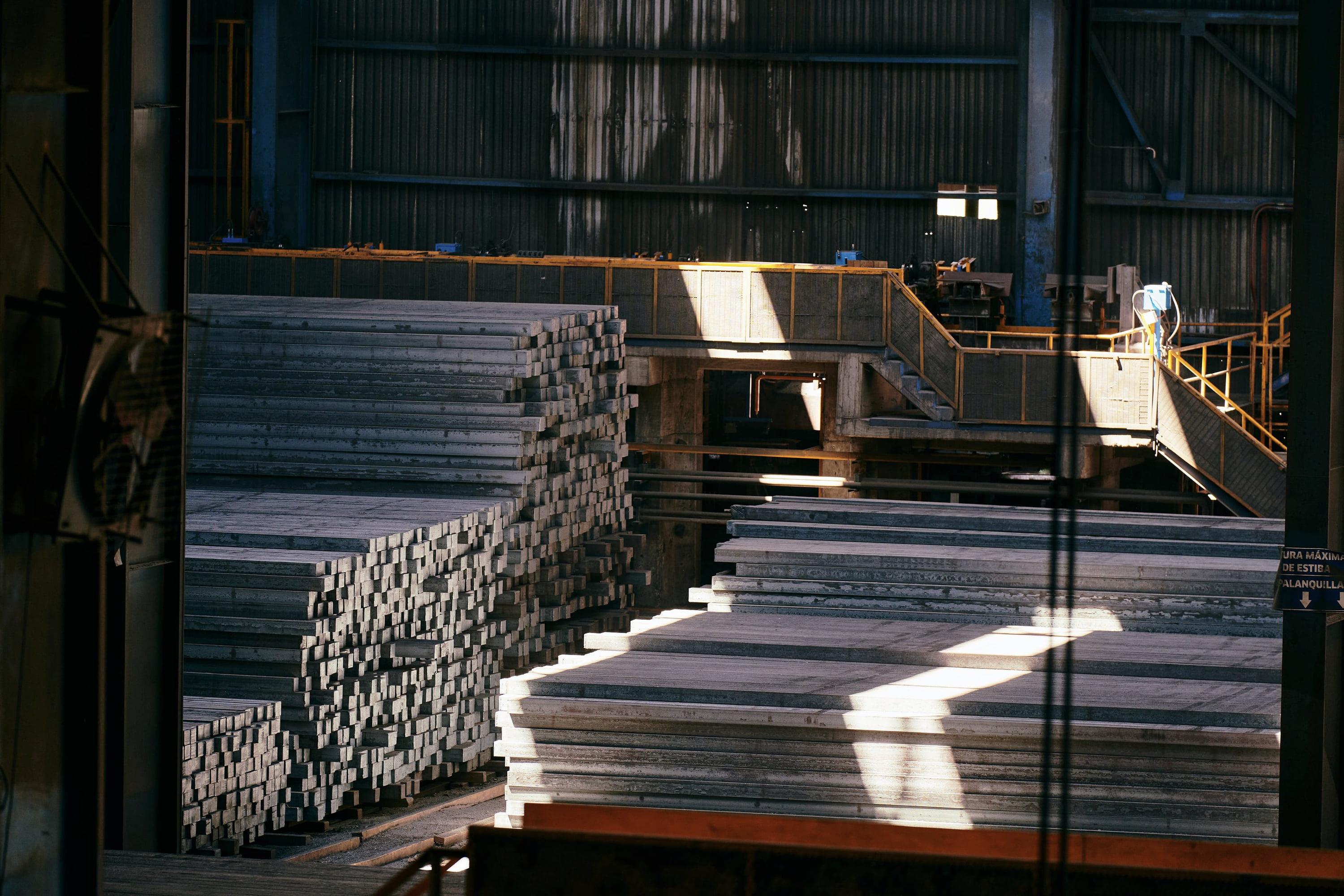
MBS Aluminium Production
Green aluminium, from Guinean bauxite to a smelter in Aïn Témouchent.
In developmentThe plant
A green aluminium smelter for Algeria.
The smelter is planned in the wilaya of Aïn Témouchent, in north-west Algeria, by a 100% Algerian company. It is part of an Algerian–Russian cooperation in aluminium production technologies.
- Planned aluminium capacity
- 1,000,000t/yr
- Site area
- 250ha
- Investment in the smelter
- US$1.4bn
Carbon-free by design
Oxygen instead of CO₂.
Conventional smelters reduce alumina using carbon anodes, which are consumed in the process and give off carbon dioxide. The Aïn Témouchent smelter is designed around inert anode technology for aluminium electrolysis: the anode is not consumed, and the cells release oxygen instead.
70ha
One electrolysis cell: the oxygen of 70 hectares of forest.
The carbon anode is consumed and gives off CO₂.
The inert anode is not consumed and gives off O₂.
Industry context
The industry's pathway to zero-carbon smelting.
The aluminium industry's roadmap reaches inert anodes around 2040 and fully renewable power by 2050. MBS is positioned to build with inert-anode technology from the outset.
2020
Modulation technology: 20% downward flex
2025
Continued incremental efficiency
2030
More renewables and firming: 20% upward flex
2040
Inert anodes
2050
Fully renewable power
Industry roadmap for primary aluminium smelting. These are not MBS milestones.
Green hydrogen
Hydrogen from seawater, without desalination.
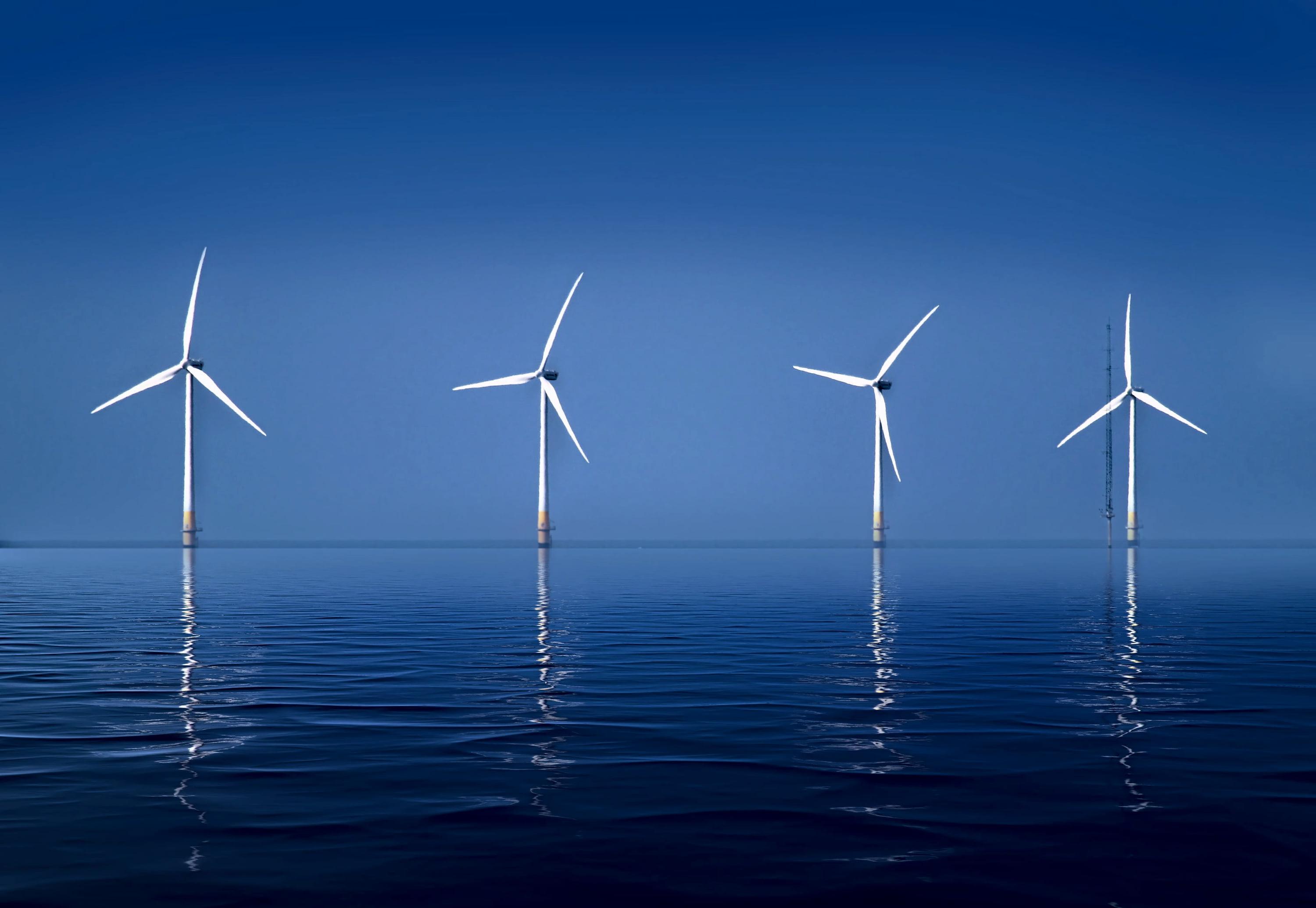
The plant is designed to run on clean energy from wind turbines and hydrogen-fuelled power generation, and green hydrogen is used in aluminium production. An electrolyser will produce hydrogen directly from seawater, with no desalination step.
Seawater
- 01
Water purification
Seawater is treated before the electrolyser, with no desalination plant.
- 02
Electrolysis
Electricity splits water into hydrogen and oxygen.
- 03
Compression
Hydrogen is compressed for handling.
- 04
Storage
Hydrogen is stored for power generation and production use.
Raw materials
Bauxite and alumina from Guinea.
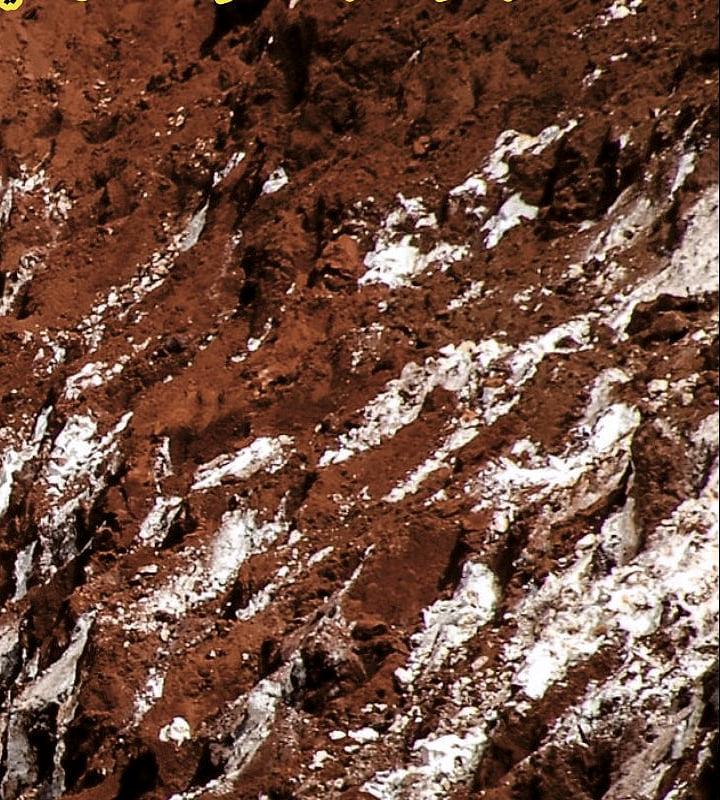
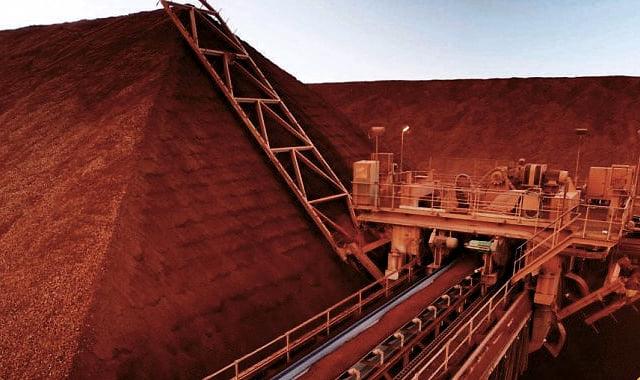
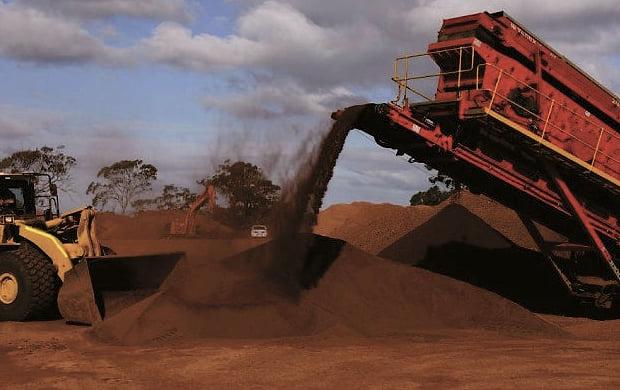
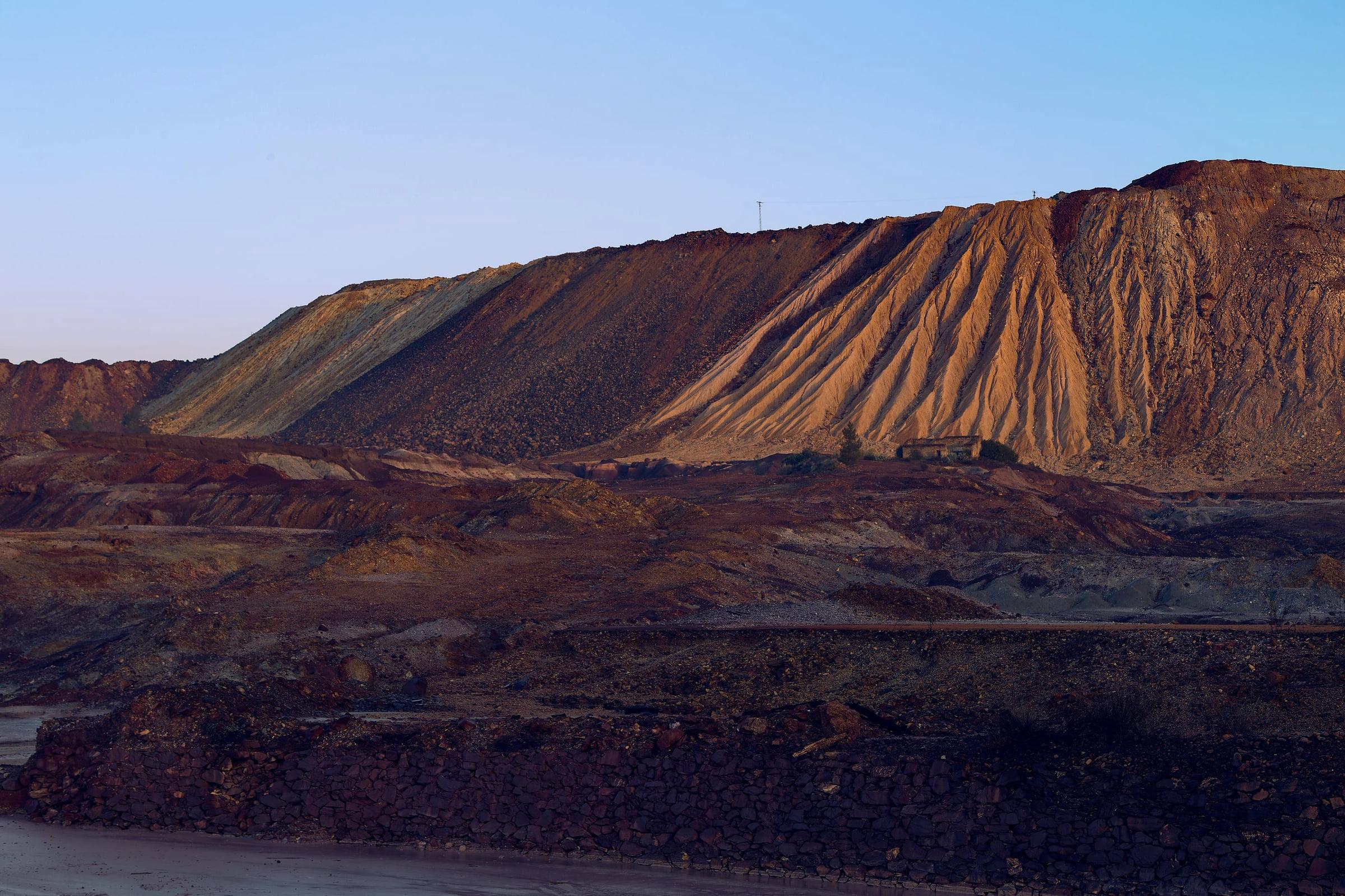
The programme includes investment in bauxite in the Republic of Guinea, with agreements to invest in bauxite mines for processing 6 million tonnes of bauxite a year. A planned alumina refinery in Guinea, with a capacity of 2 million tonnes of alumina a year, will cover all of the smelter's raw-material needs.
- Bauxite processing under investment agreements
- 6Mt/yr
- Planned alumina refinery capacity in Guinea
- 2Mt/yr
Guinea: bauxite and alumina
Aïn Témouchent: green aluminium smelter and industrial complex
From bauxite to aluminium
6 Mt/yr
Bauxite
Guinea
Mined ore, processed under investment agreements
2 Mt/yr
Alumina
Guinea
Refined from bauxite in a planned refinery
1 Mt/yr
Green aluminium
Aïn Témouchent
Inert-anode electrolysis, planned capacity
Products
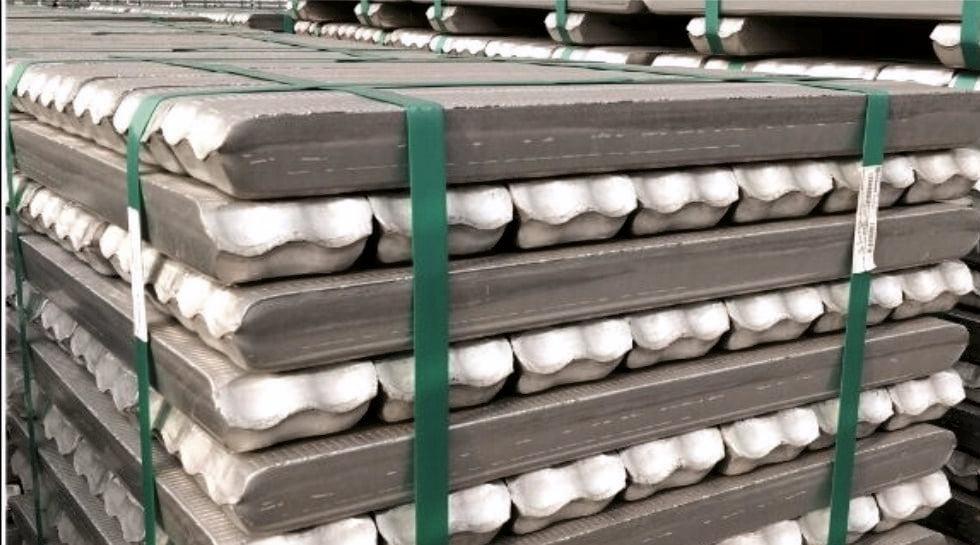
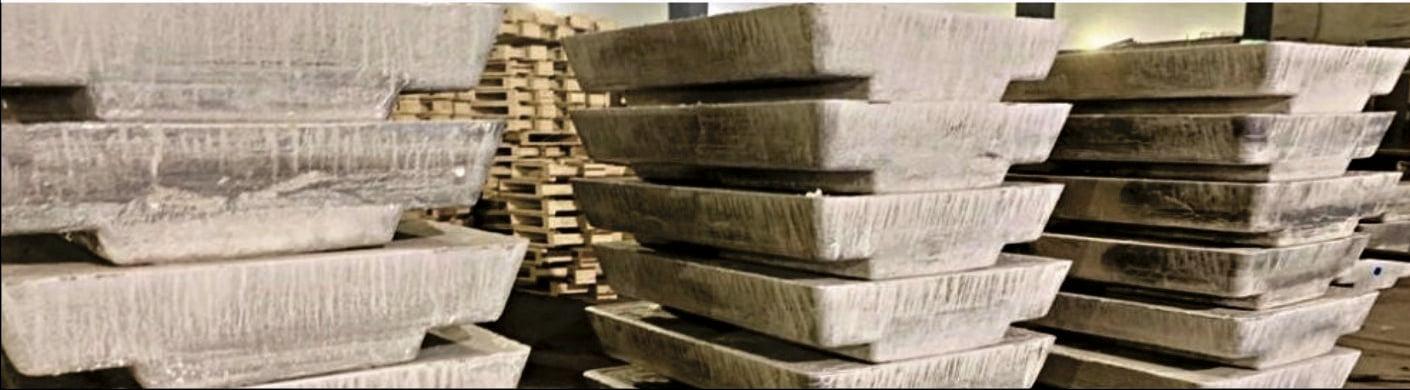
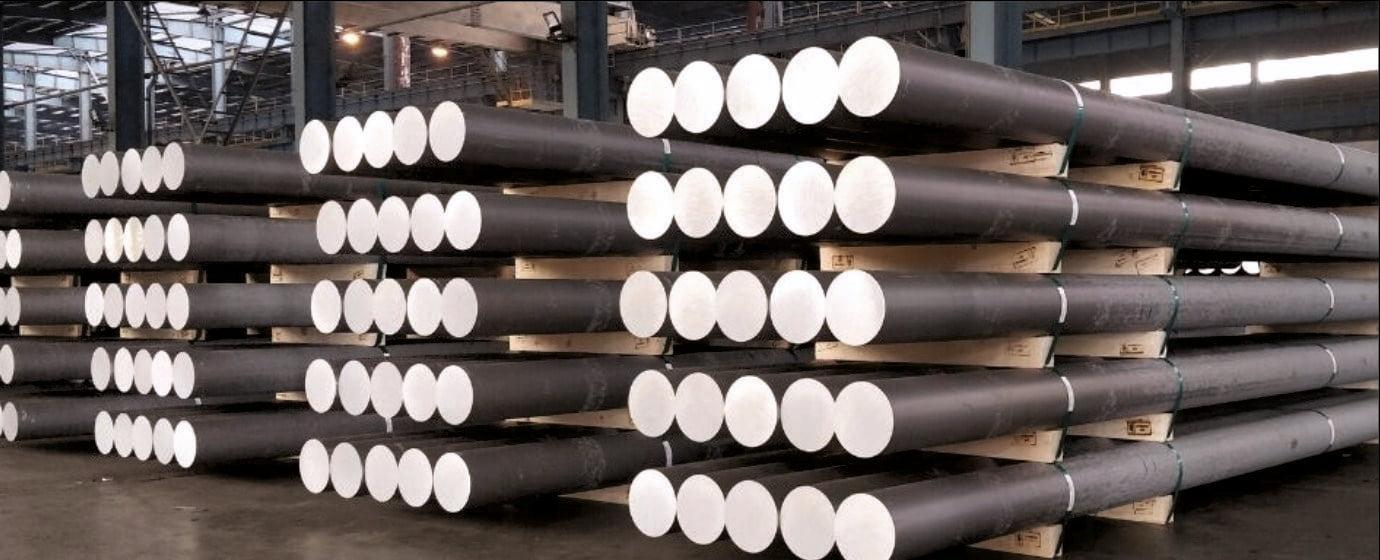
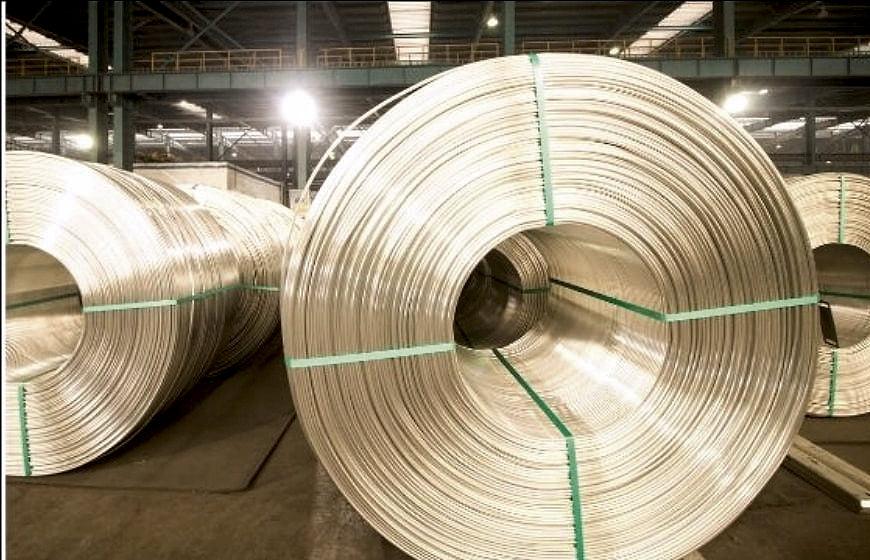
Aluminium for industry.
Investment and projections
A US$2.4 billion programme.
- Aluminium smelter
- US$1.4bn
- Industrial complex
- US$1bn
- Programme total
- US$2.4bn
Projected revenue
- Year 1
- Projection
- US$2.2bn
- From year 2, per year
- Projection
- US$3bn
- Over 5 years
- Projection
- US$15bn
Financing is planned through Cila Investment Group (Canada), via leading global banks, with Russian technology partners.
Revenue figures are projections for a project in development, not results.